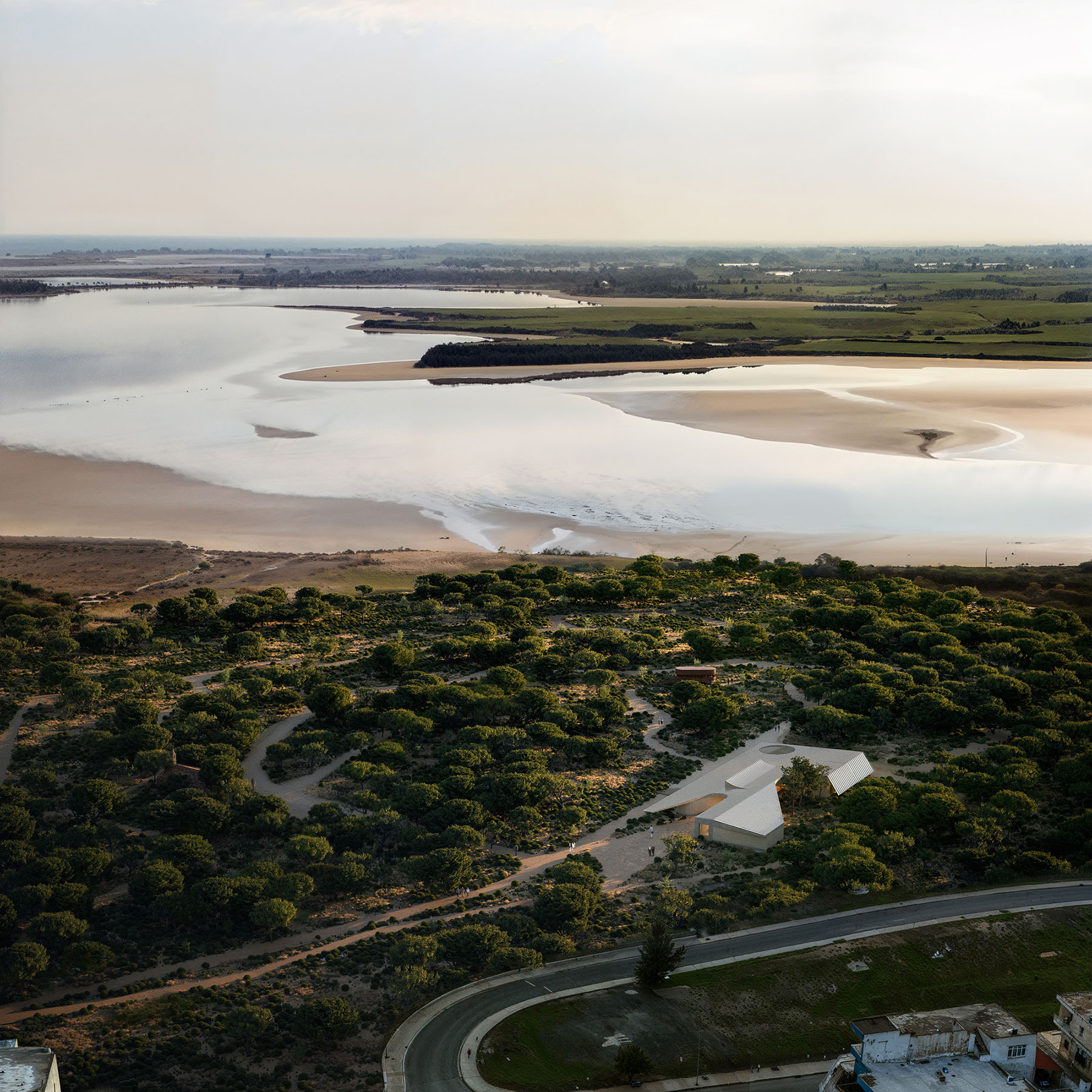
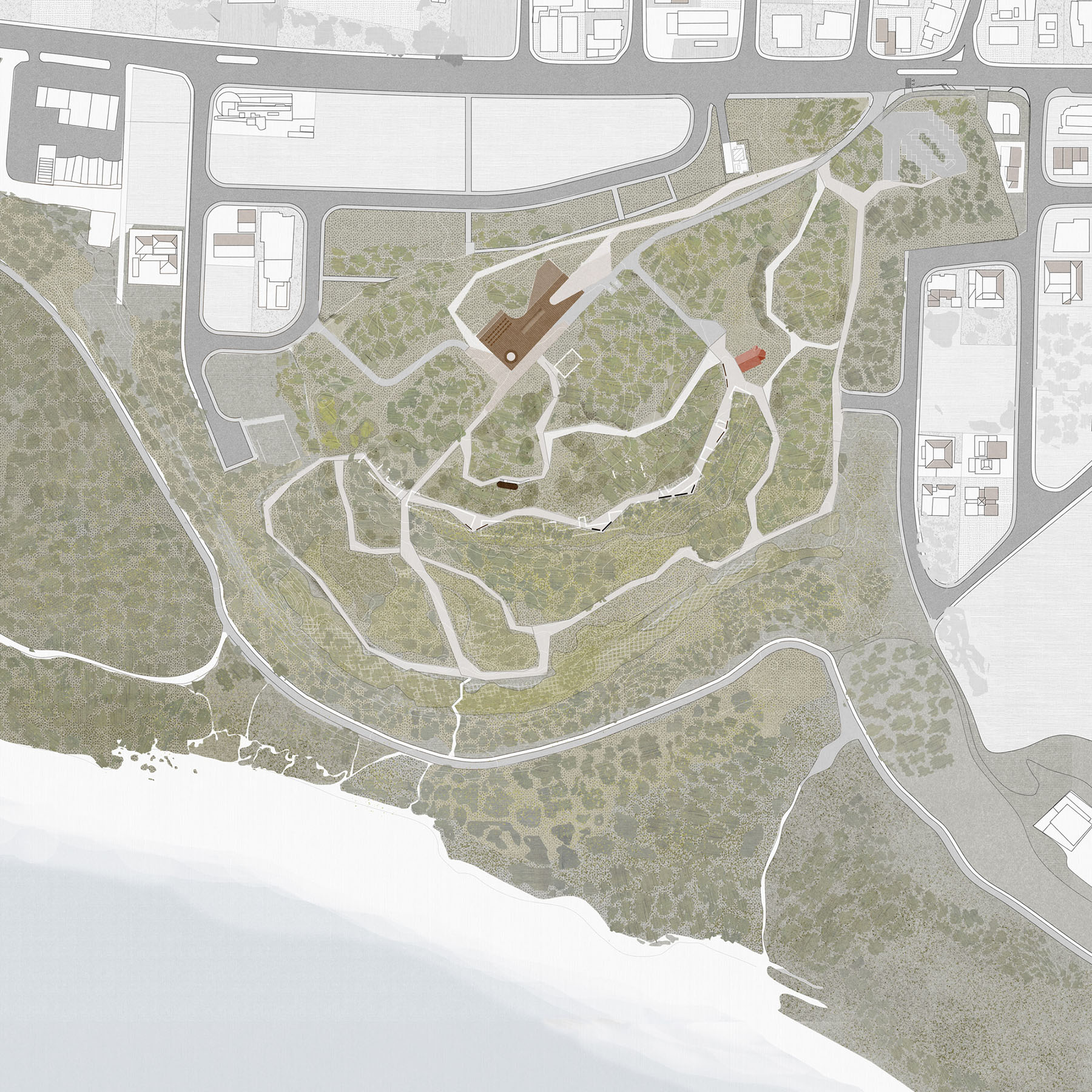
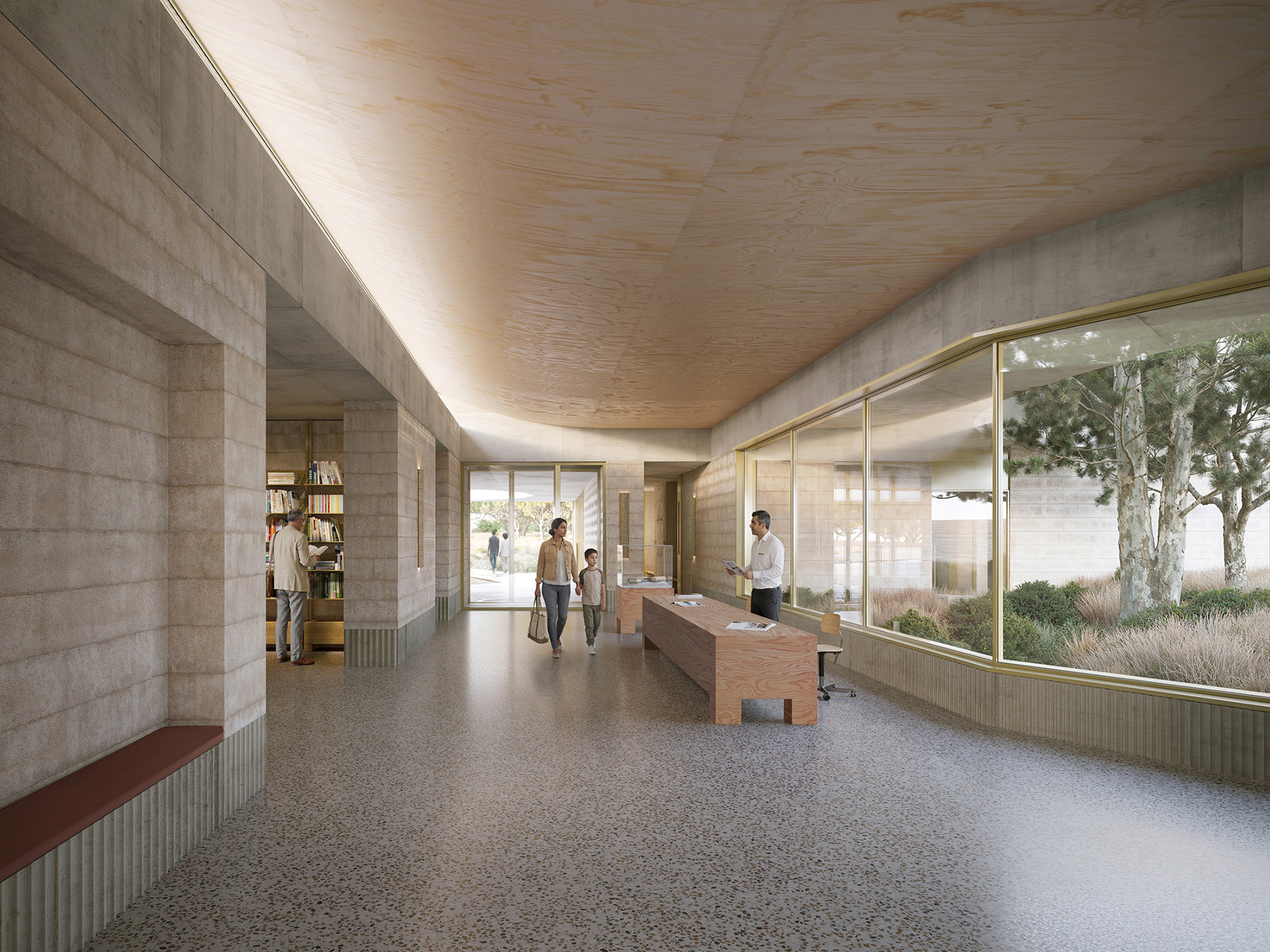
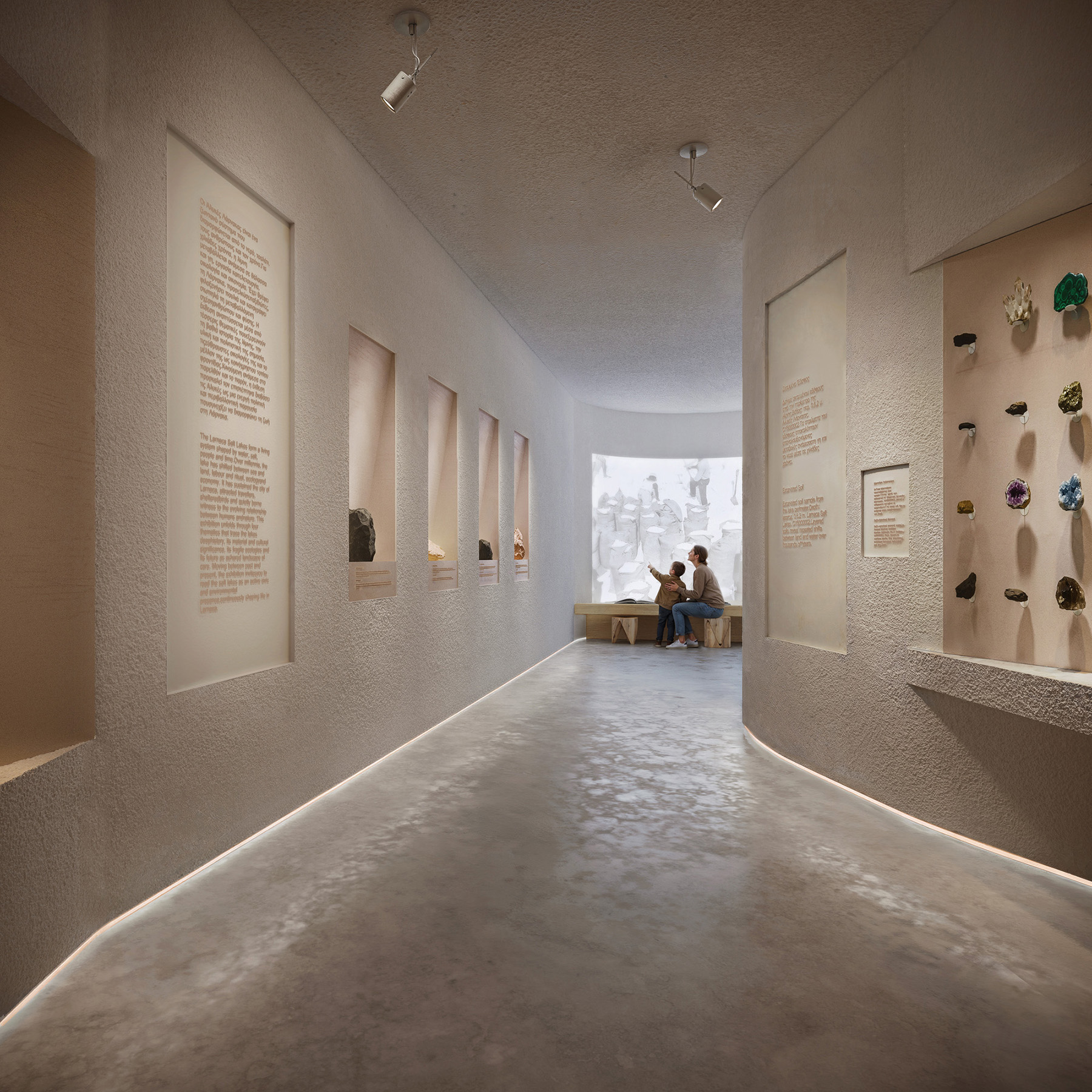
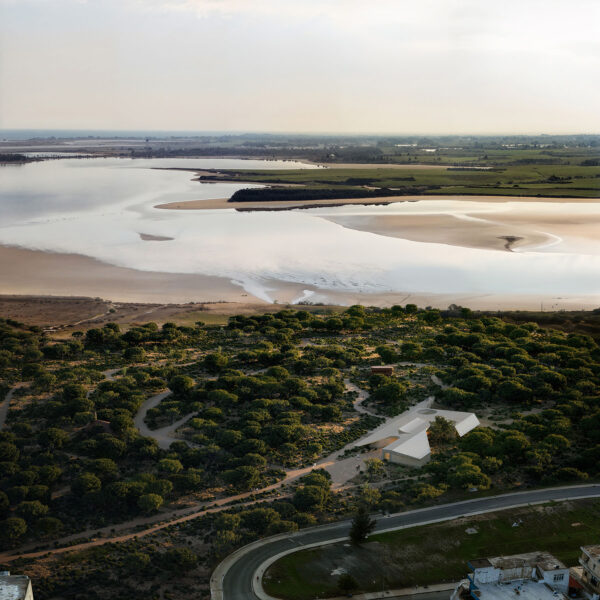
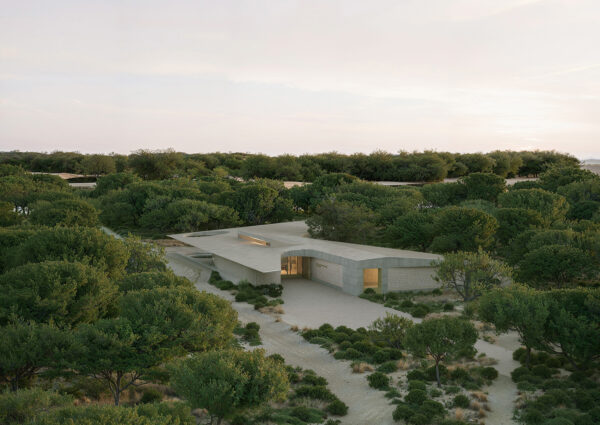
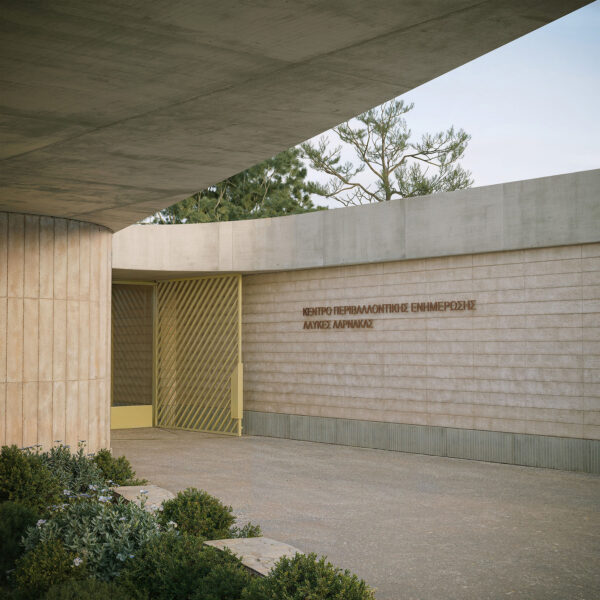
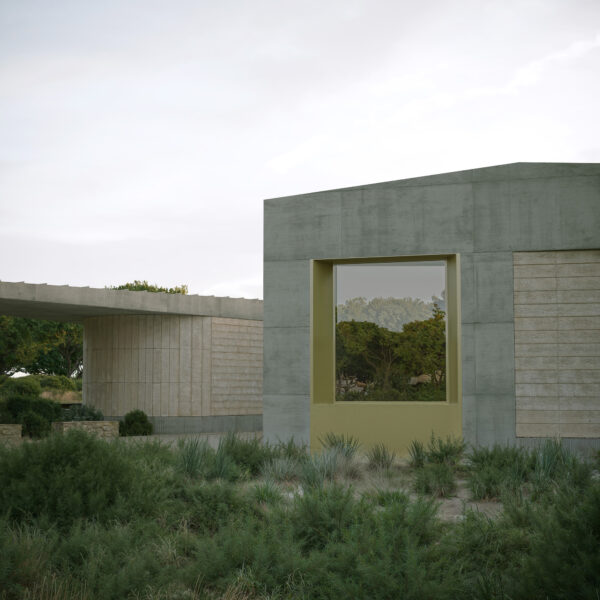
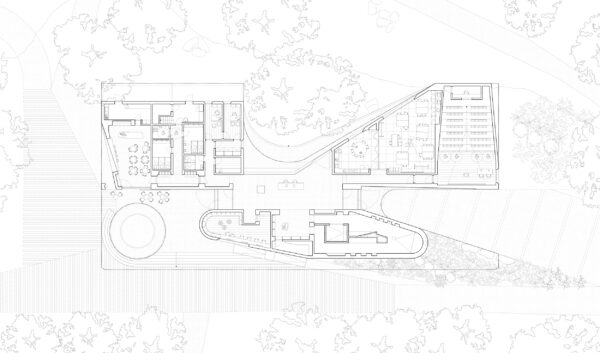
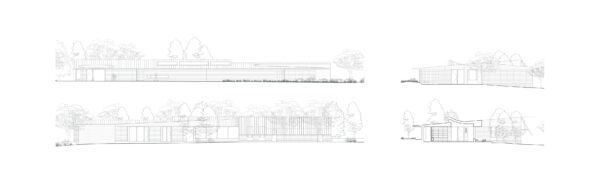
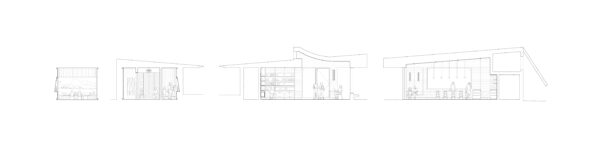
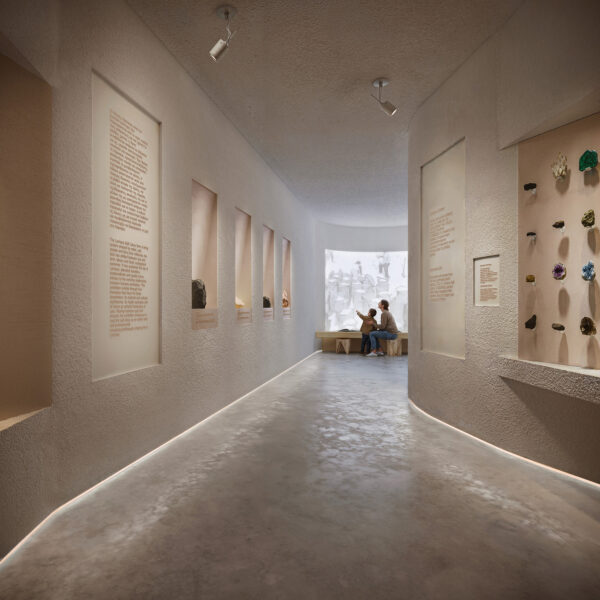
Our proposal for the Environmental Information Centre at the Larnaca Salt Lakes is conceived as a public space for learning, embedded within a fragile and ecologically significant landscape that forms part of the Natura 2000 network. The project seeks to connect the visitor directly to nature through an architecture that is both measured and attentive to its context. The architectural composition of the building and the landscape strategy are informed by references to the cultural heritage of the site, from its role as a sacred place in antiquity to its more recent history of salt production, while also acknowledging the collective memory of the former Leper Colony.
The building as part of the visitor’s route
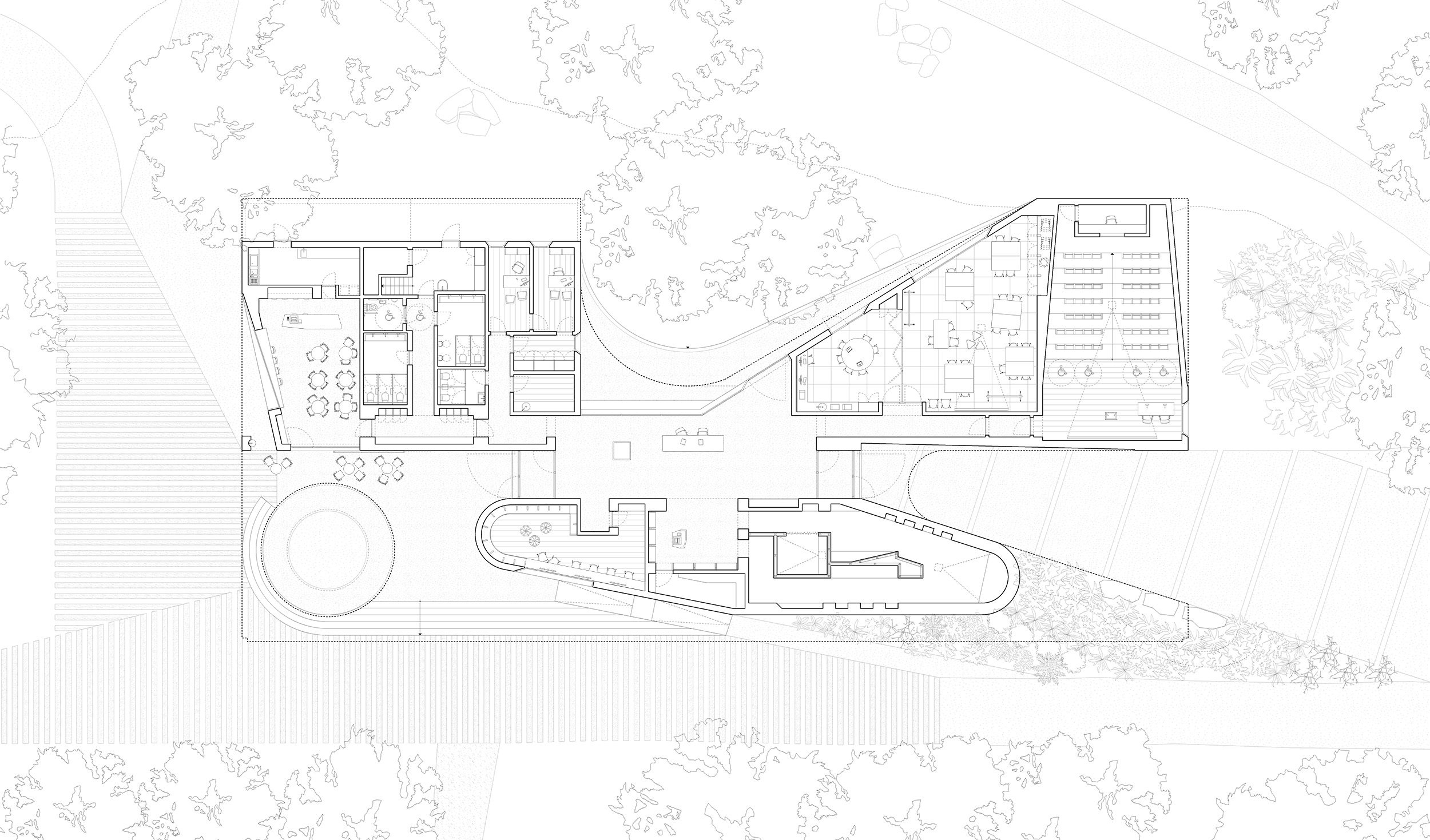
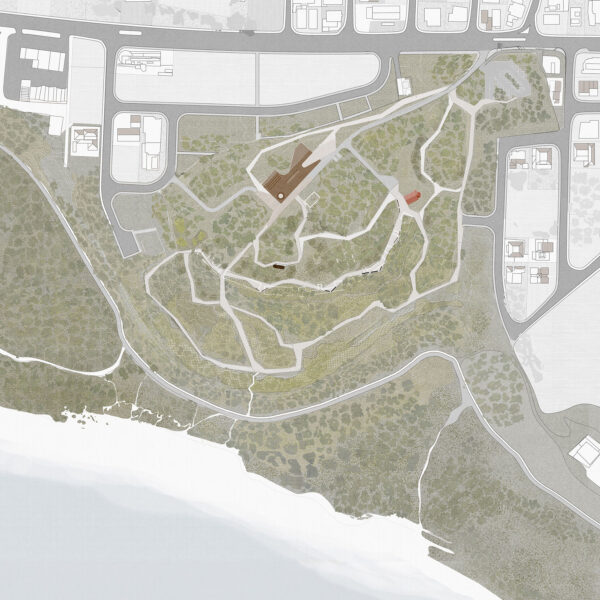
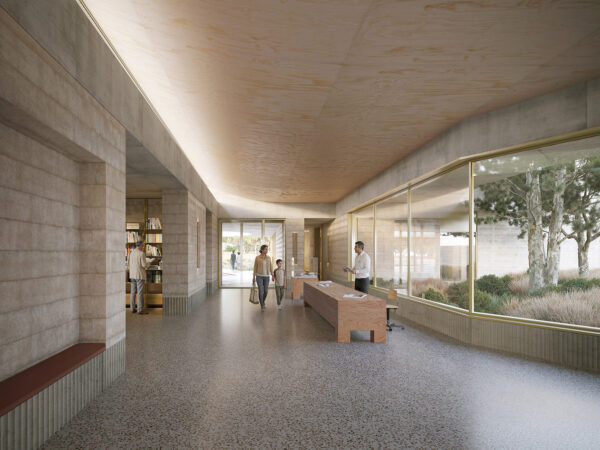
The principal gesture of the proposal is the integration of the visitor route into the building itself, allowing it to become part of a continuous path between the city and the Salt Lakes. The route through the building enables a gradual discovery of the site, articulated through a sequence of thresholds, moments of pause, and framed visual connections to the landscape.
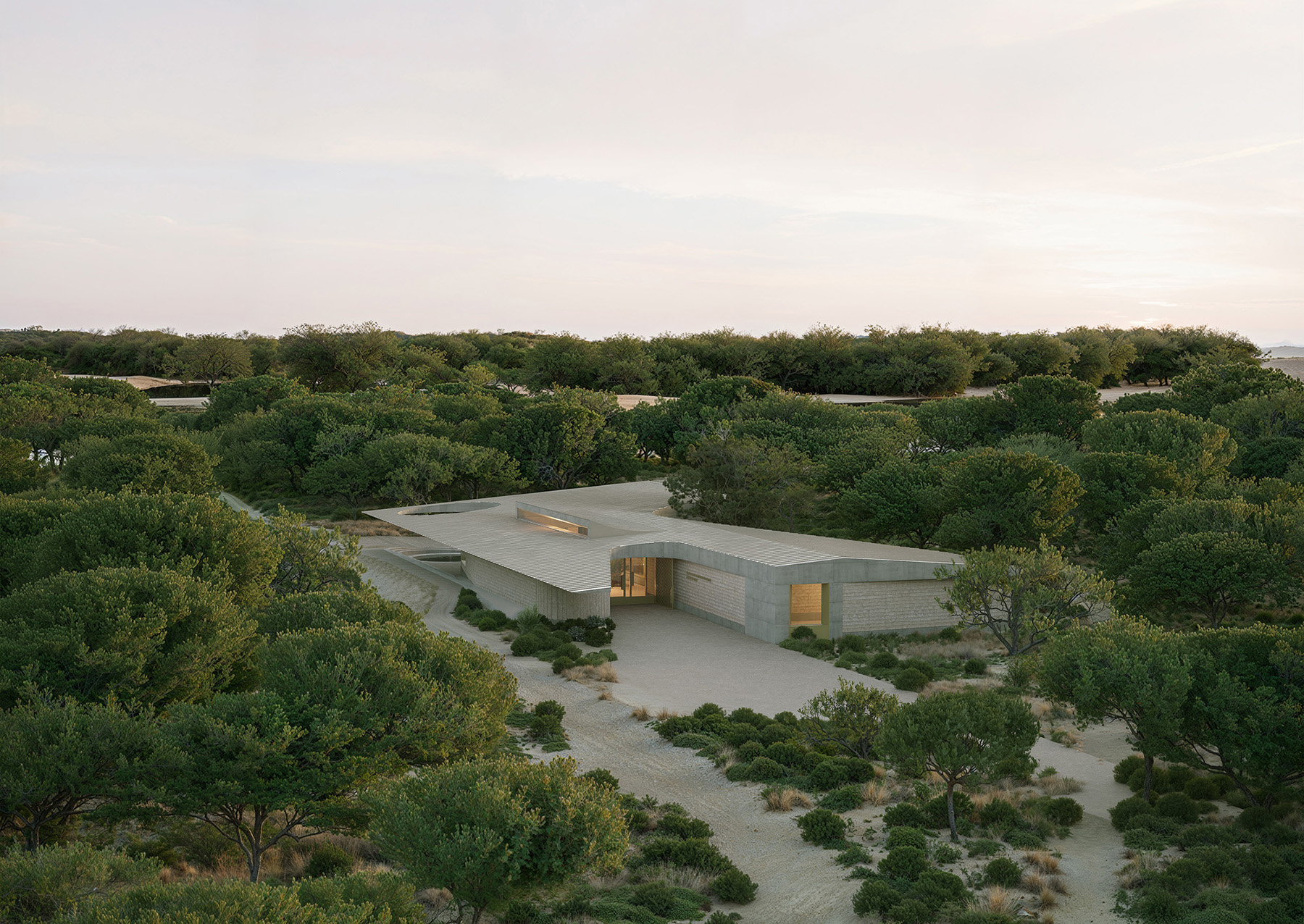
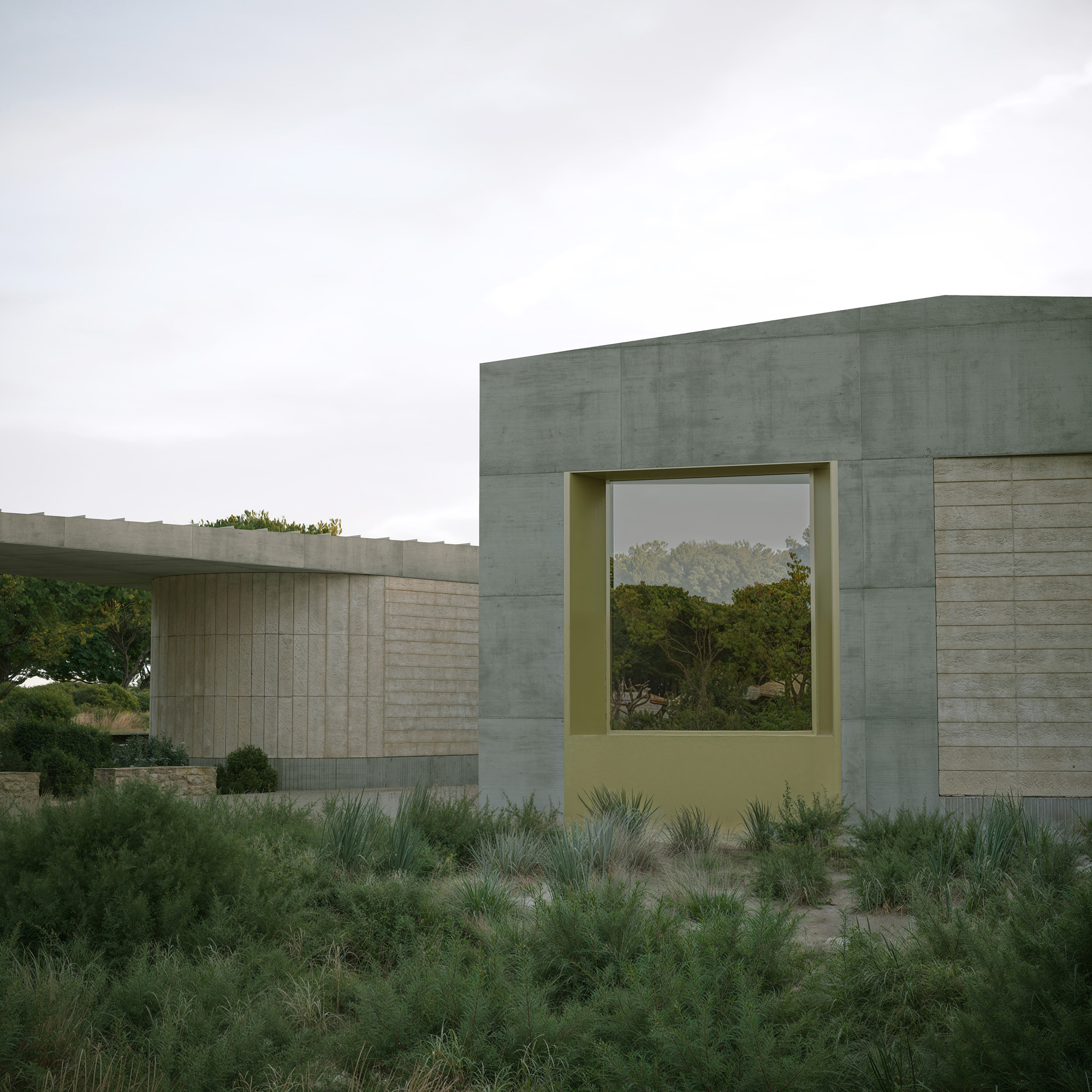
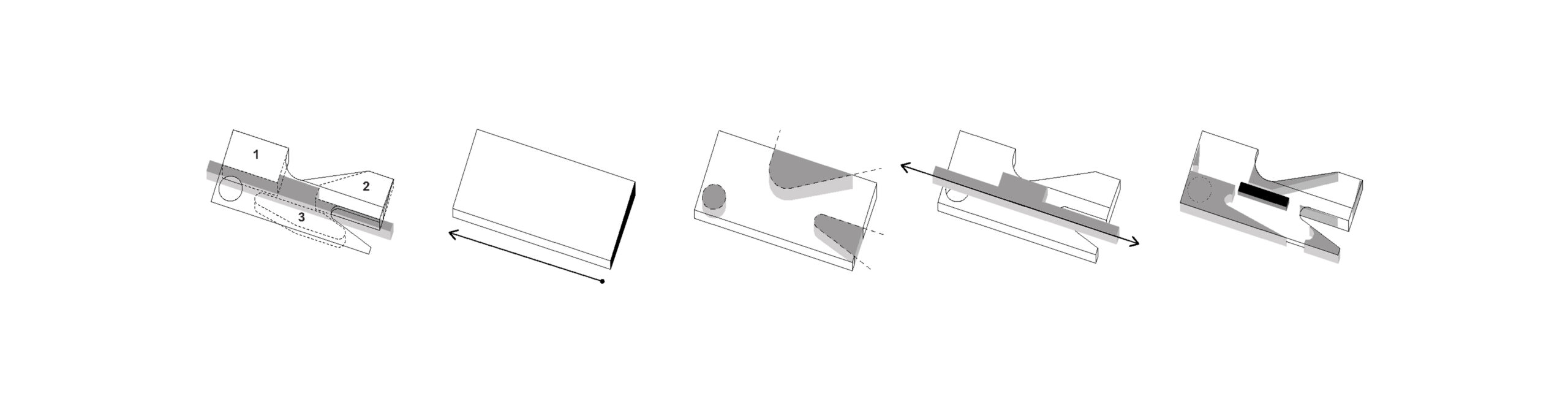
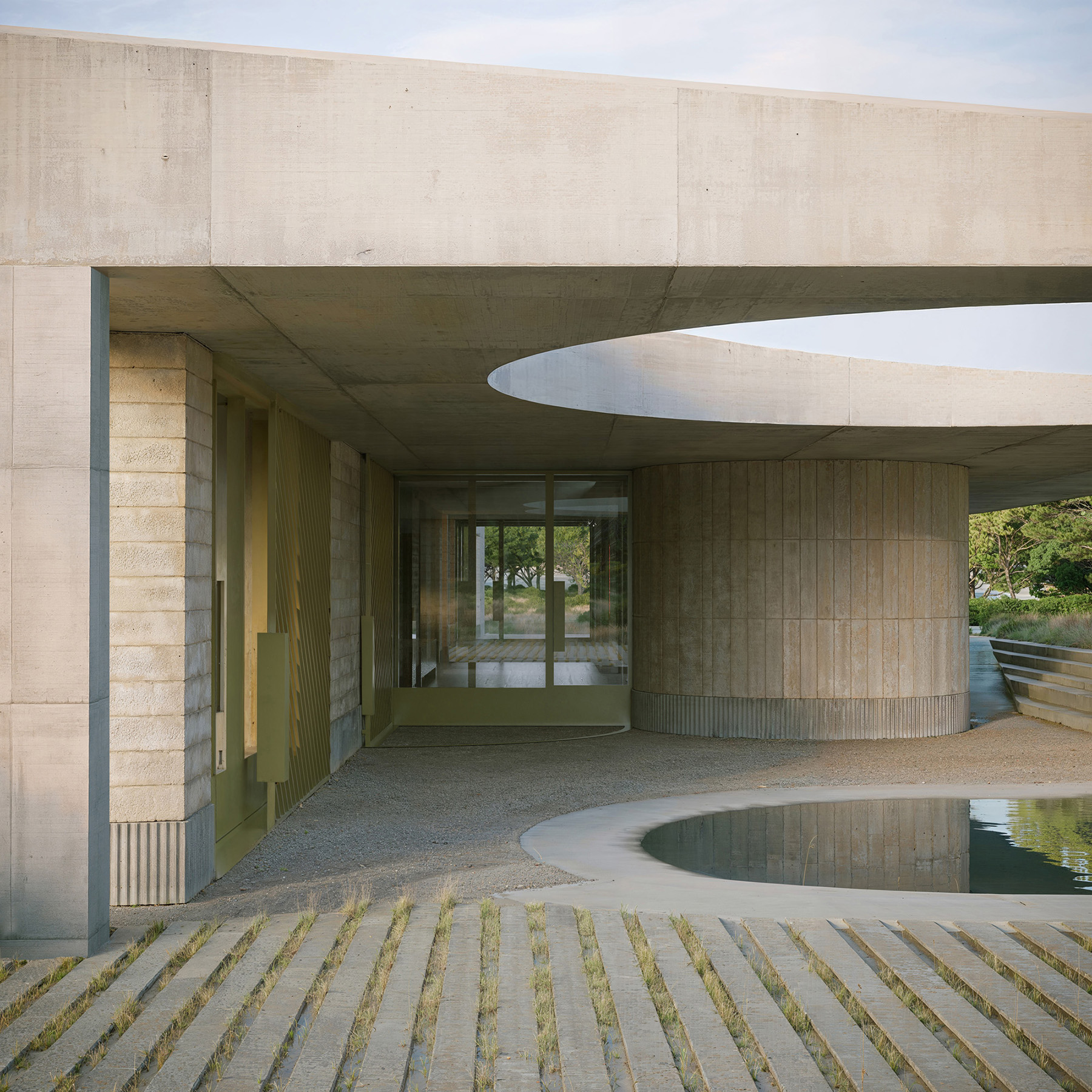
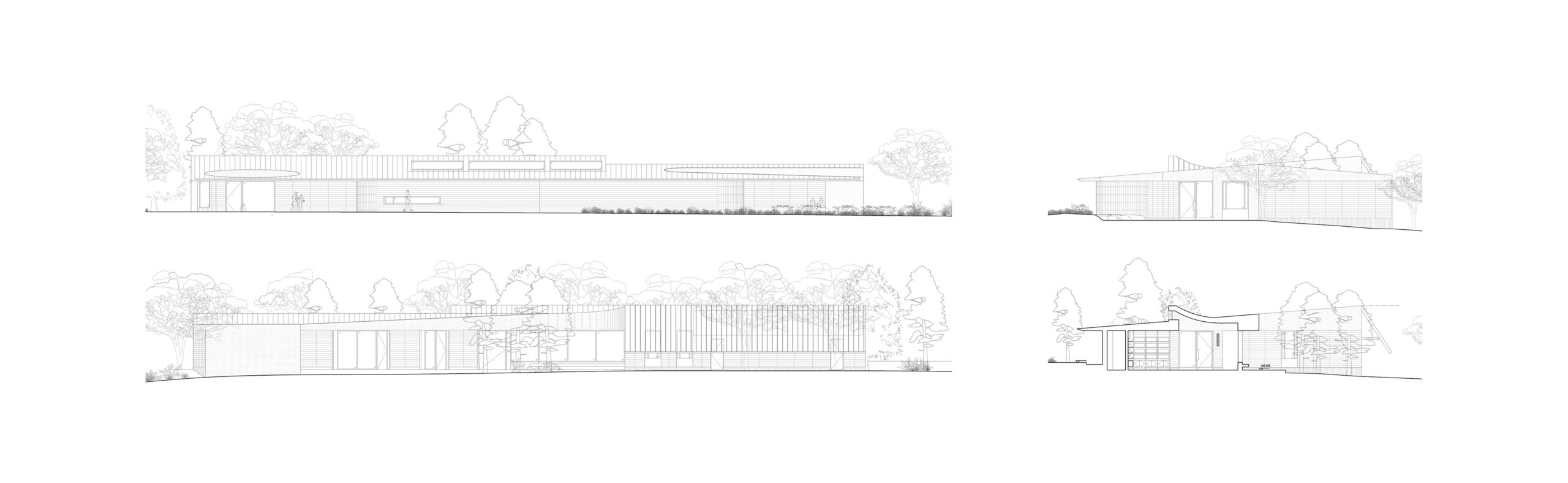
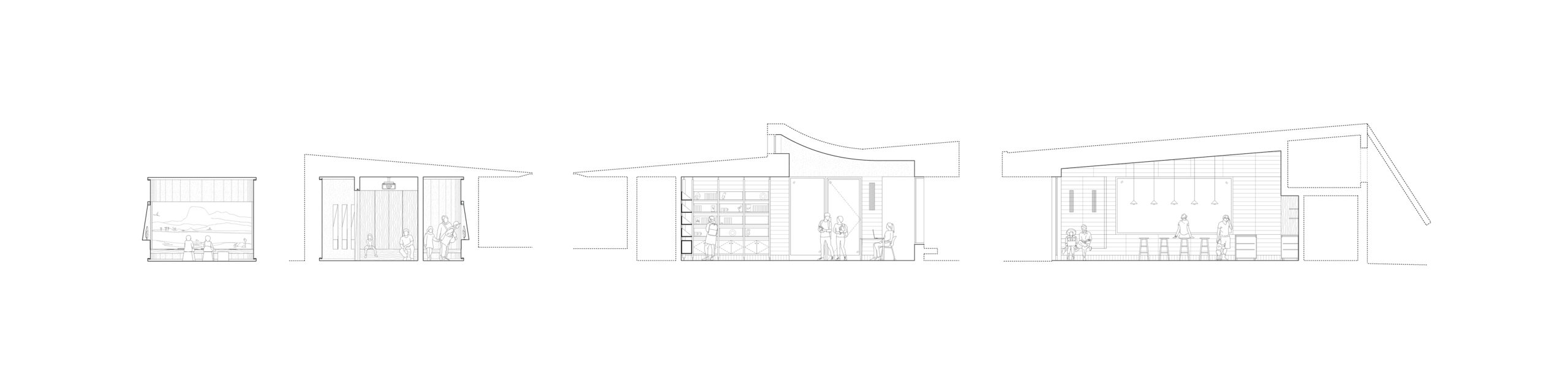
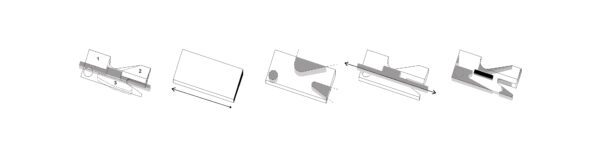
The building massing is formed from a compact composition of the programme, articulated through a series of subtractions and incisions. These introduce daylight, guide views, define entrances and thresholds, and create covered outdoor spaces, while simultaneously organising the circulation.
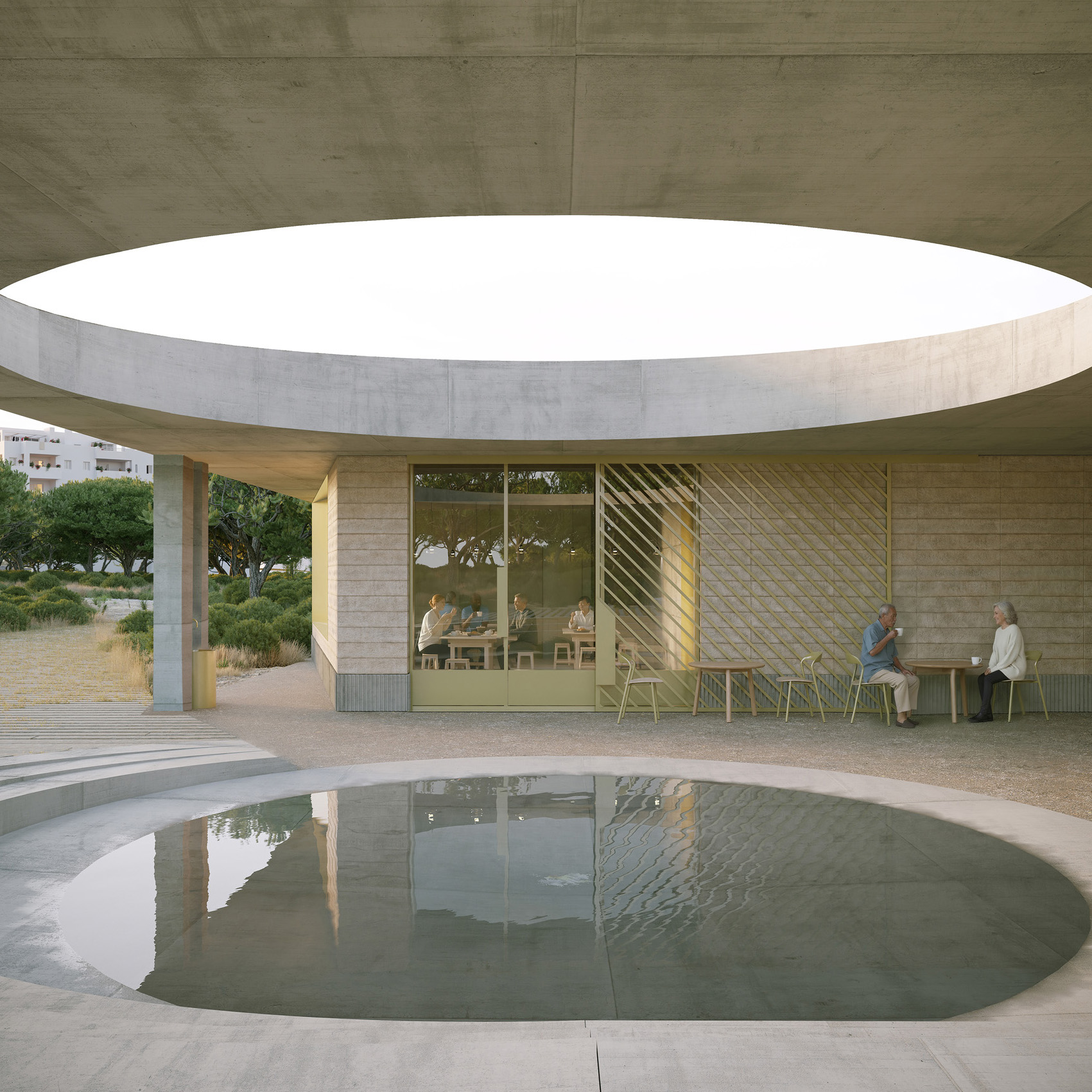
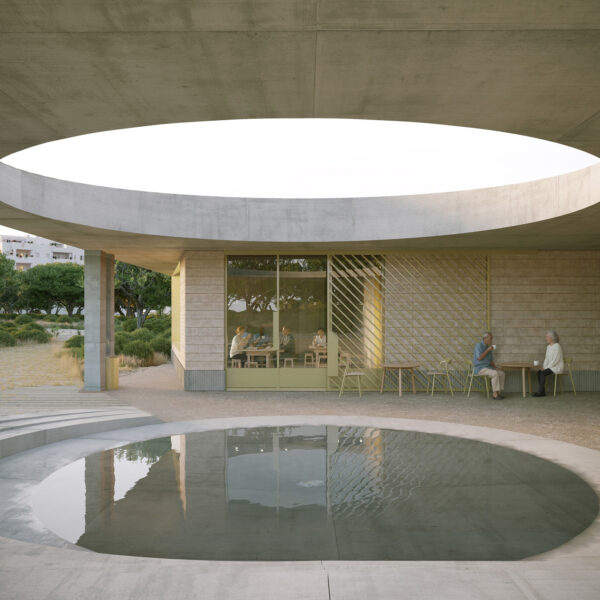
Within this volume, three distinct sub-volumes organise the programme into educational, research and administrative services alongside the café. The café extends into the external space while its independent access allows it to operate even when the Centre is otherwise closed. The covered outdoor area functions as a flexible space for education, rest, and gathering. Beneath the circular opening in the canopy, a water element collects rainwater and, through natural filtration and evaporation, expresses the seasonal transformation of the Salt Lake landscape.
Structure and materiality
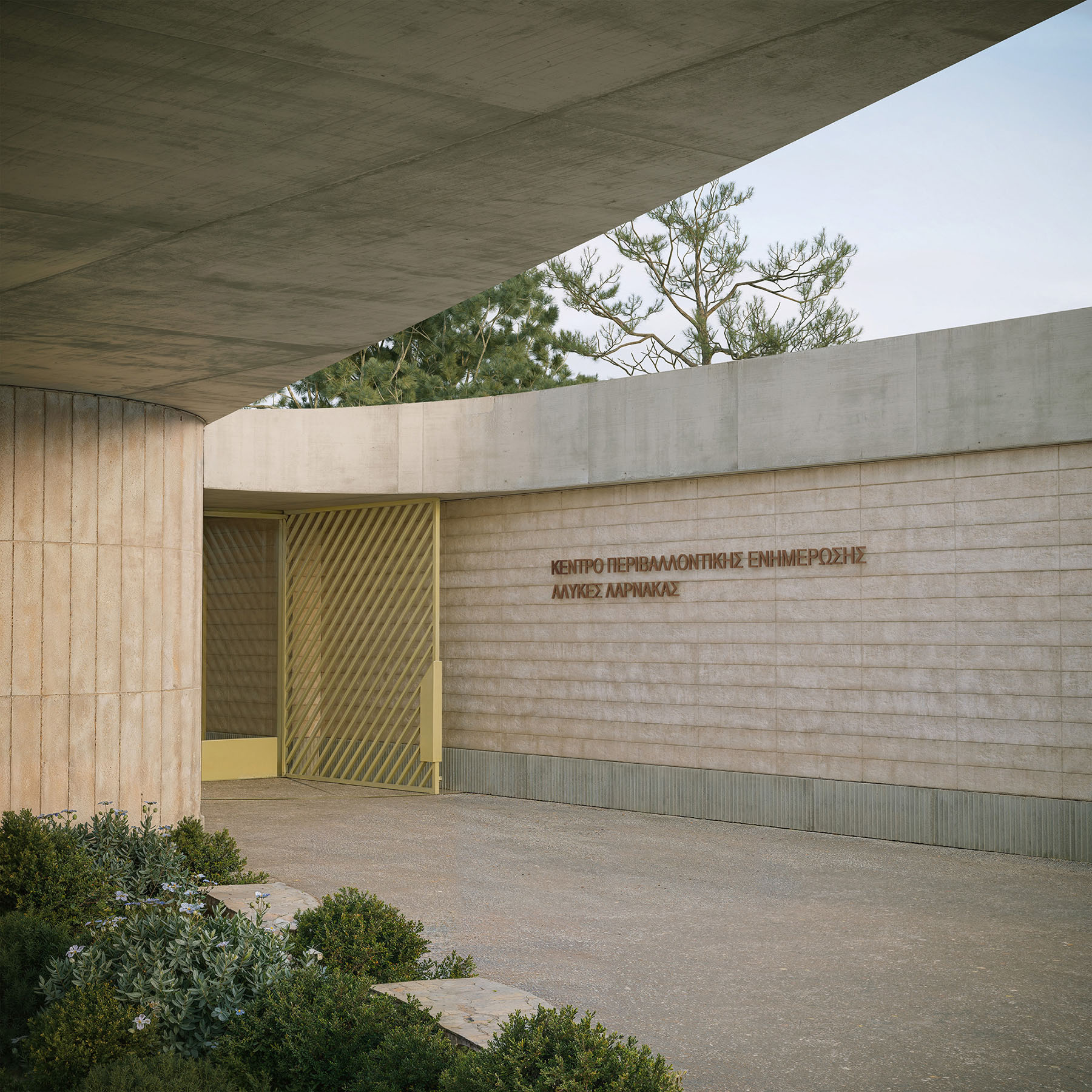
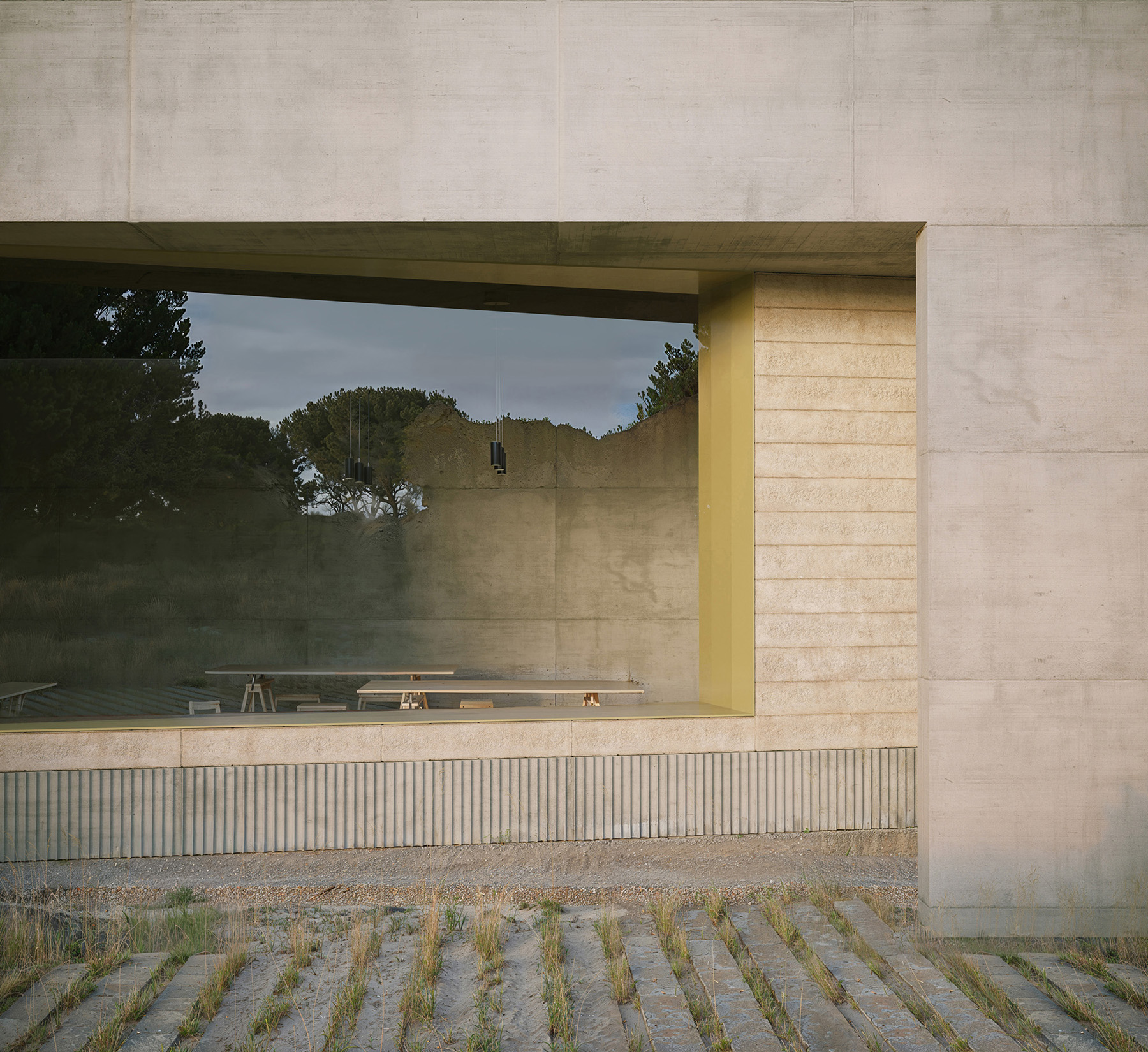
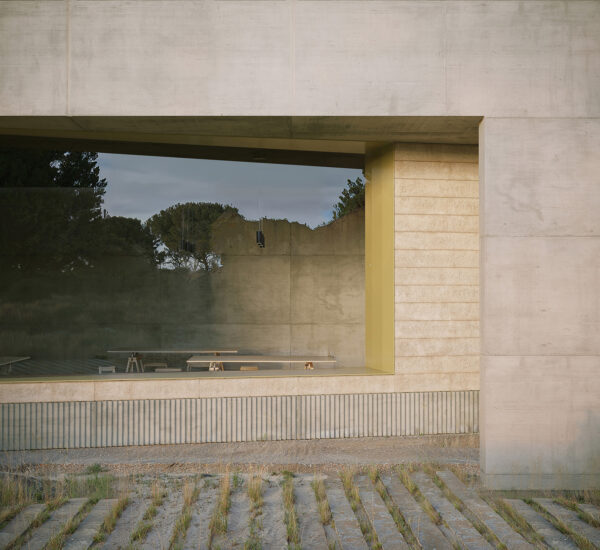
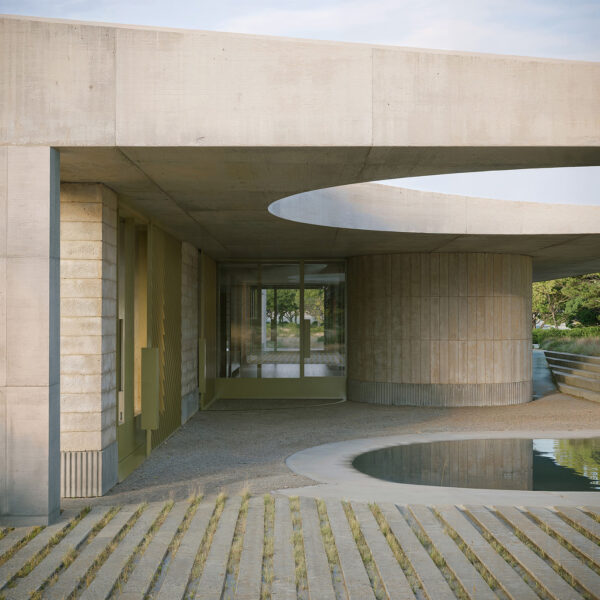
Primary vertical reinforced-concrete vertical elements provide structural rigidity, load-bearing capacity, and resistance to both vertical and horizontal loads. Externally and internally, the three main volumes are articulated through horizontal datum lines. The plinth formed out of local limestone blocks slightly elevates the building providing a durable base. Above, the main wall consists of stabilised compressed earth blocks, exposed within the volumetric subtractions selected for its natural texture and low-carbon performance. Exposed reinforced-concrete structural elements form the third datum, creating a continuous, light-toned perimeter that unifies the overall composition. The roof is clad in standing-seam aluminium sheets, forming a unified, contemporary, and durable shell.
Rough pebble external paving leads visitors to the building and transitions into a polished finish within the interior, signalling the transition the passage from exterior to interior. Traditional techniques, materials, and colour selections align with the earthy tones and ecological conditions of the site.
Landscape strategy
The concept of ‘ecology’ is understood as the creation of a place of inhabitation within a wider system of relationships – natural, social, material, and spatial. This approach is translated into a careful integration of the project within the landscape, characterised by restraint, clarity of orientation, and material choices that engage in dialogue with the site.
The landscape strategy is based on principles of low-impact design and is conceived as a network of gentle interventions, zones of varying intensity of use, and controlled management of vehicles, pedestrians, noise, dust, and light pollution. Within this framework, a bird-watching observatory is integrated, taking advantage of elevation changes to create a modest viewing point that does not compromise existing vistas.
Interventions within the landscape are phased in order to avoid sensitive periods for the wetland ecosystem. The landscape is designed as a system that evolves over time, incorporating the building as part of a broader relationship between nature, education, and experience.
A COLLABORATION WITH URBAN RADICALS